
Galleri® Test
A single blood test screening for a shared cancer signal across 50+ cancer types.
The Galleri® Test is offered in partnership with Preologi, who are the first provider in the UK to offer the Galleri® Test
Why it matters: the screening gap patients face today:
Screening is recommended for only a small number of cancer types in the UK — including breast, cervical, bowel and targeted lung cancer screening
Around 6% of all cancers are currently diagnosed through screening programs
The UK has some of the lowest cancer survival2 and some of the highest rates of emergency cancer presentation3 among comparable high-income countries
Many cancers are not found until symptoms appear, and nearly half of staged-cancers are diagnosed at later stages, when they can be harder to treat.
How the Galleri® test can address this:
Screen for 50+ Cancer Types — from a single blood sample
4x as many cancers were detected through screening when Galleri was added to usual NHS care, compared with usual NHS screening alone⁴
<1/200 False Positive Cases — 99.6% Specificity⁴
93% accuracy for cancer signal of origin⁵ — this guides an efficient diagnostic work-up
What is the Galleri® test:
Galleri is a multi-cancer early detection (MCED) test developed by GRAIL. Rather than looking for one cancer at a time,it analyses methylation patterns in cell-free DNA (cfDNA) in the bloodstream to identify a signal associated with cancer.
When a cancer signal is detected, the test correctly predicts the cancer signal origin in 93% of cases.⁵
Its particular value is that most of these cancers have no recommended screening program in the UK at all. Galleri is designed to complement — not replace — established programmes such as breast, cervical and bowel screening.
What it cannot do:
A ‘No Signal Detected’ result does not mean you are cancer-free. Galleri looks for a signal associated with cancer in the bloodstream, but no test can detect every cancer. A ‘No Signal Detected’ result means that Galleri did not detect a cancer signal at the time of testing; it does not rule out cancer or guarantee that cancer is not present.
It does not replace NHS screening. If you are due a mammogram, a bowel-screening kit, a smear or a lung scan, have those. Galleri sits alongside them, it does not stand in for them.
It does not investigate symptoms. If something is worrying you, a doctor's appointment is the right front door, not this test.
The impact of the test on cancer survival is not currently known. It has not yet been established whether using Galleri to detect cancer improves survival.
Who it’s for:
Galleri is intended as an addition to standard screening for adults at higher risk of cancer — typically those aged 50 and over.⁷
Adults aged 50 and over, or adults aged 22
Individuals with a personal history of cancer, smokers or former smokers
Anyone wishing to take a proactive approach with their health
From evidence to implementation:
A ‘No Signal Detected’ result does not mean you are cancer-free. Galleri looks for a signal associated with cancer in the bloodstream, but no test can detect every cancer. A ‘No Signal Detected’ result means that Galleri did not detect a cancer signal at the time of testing; it does not rule out cancer or guarantee that cancer is not present.
It does not replace NHS screening. If you are due a mammogram, a bowel-screening kit, a smear or a lung scan, have those. Galleri sits alongside them, it does not stand in for them.
It does not investigate symptoms. If something is worrying you, a doctor's appointment is the right front door, not this test.
The impact of the test on cancer survival is not currently known. It has not yet been established whether using Galleri to detect cancer improves survival.
PATHFINDER 24
35,000 patients. One Galleri® test. 12-month follow-up.
53% of cancers detected were stage I or II¹⁰
6.5-fold increase in screen-detected cancers within a year, when added to recommended screening*¹⁰
NHS-Galleri Trial
142,000 patients. Three Galleri Tests. 3-year follow-up.
Adding annual Galleri screening to standard of care screening resulted in the following as compared to standard of care alone.
Progressive year-on-year reduction in stage IV cancer with annual Galleri screening plus standard of care vs standard of care alone. 26% reduction in year 3 of annual screening for 12 pre-specified cancers⁴
4-fold increase in cancers detected through screening with Galleri alongside usual NHS screening, compared with usual NHS screening alone⁴
25% reduction in cancers diagnosed via emergency presentation⁴
What the studies show:
Galleri is supported by a large evidence base for a screening test in the intended-use population : the PATHFINDER and PATHFINDER 2 studies (around 42,500 participants) and the NHS-Galleri trial — the world’s largest MCED study, with more than 142,000 participants.⁴
99.6% specificity — fewer than 1 in 200 people without cancer, will receive a false positive result⁸
40.4% overall sensitivity across all cancers (73.7% for the 12 deadliest cancers).⁸
~93% accuracy in predicting the cancer’s tissue of origin.
61.6% positive predictive value — around 6 in 10 positive results are confirmed as cancer.¹¹
More aggressive cancers tend to release more cell-free DNA into the bloodstream at early stages, making them more likely to be detected by Galleri.
*Includes screening for breast, cervical, colorectal, and lung
Detection sensitivity by cancer stage
Cancer stage Detection sensitivity (all cancers)16
Stage I16.8%
Stage II40.4%
Stage III77.0%
Stage IV90.1%
PATHFINDER 2 — more than 35,000 participants, one Galleri test, 12-month follow-up. 53% of cancers detected were stage I or II, and adding Galleri to recommended screening for breast, cervical, colorectal, and lung produced a almost seven-fold increase in screen-detected cancers within a year.4
NHS-Galleri trial — more than 142,000 participants aged 50–77 on a randomised controlled trial where one arm received annual Galleri testing in addition to standard-of-care and other arm had standard-of-care. The trial showed findings consistent with a shift toward earlier-stage cancer diagnosis, approximately four times more cancers found when Galleri test is added to standard UK screening programmes. There was a 25% reduction in cancers detected through emergency presentation. The study did not meet is primary end point of a statistically significant fall in combined stage III and IV cancer diagnosis. Although by year 3 there was a 26% reduction in stage IV cancer diagnoses for the 12 prespecified cancers.⁴
Sensitivity varies considerably by cancer type; it is highest for the higher-mortality cancers that shed more DNA earlier. No MCED test has yet published evidence that screening reduces cancer mortality.
Looking to book a Galleri® test?
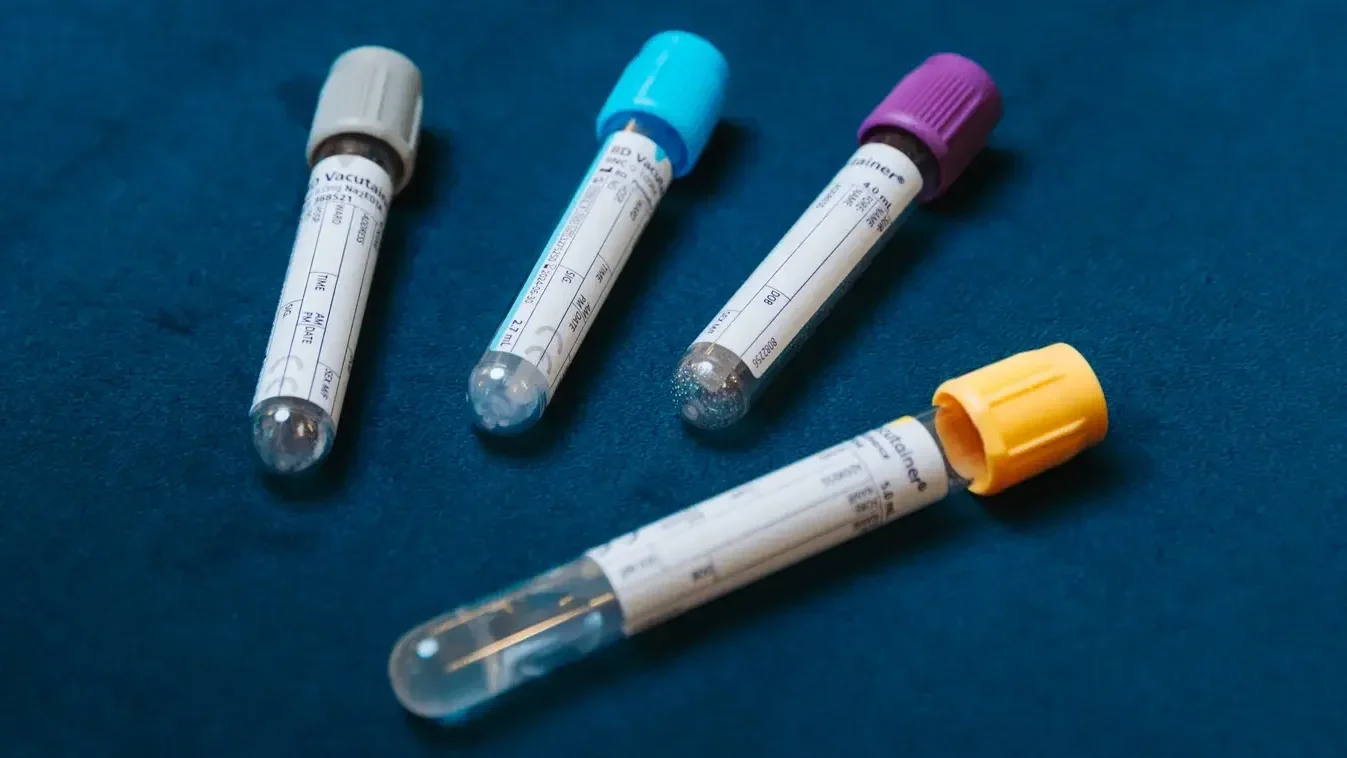
Simply click below to choose your blood test and book a 15 minute phlebotomy appointment at the clinic, during which we’ll draw your blood to be collected and analysed by our laboratory.
Please arrive for your appointment well-hydrated, as this makes drawing blood much easier.
If you can fast for 8-10 hours before (water is allowed) some results will be more accurate.
If you cannot fast, please do not worry.